
 See Our Latest Article on HelloNation
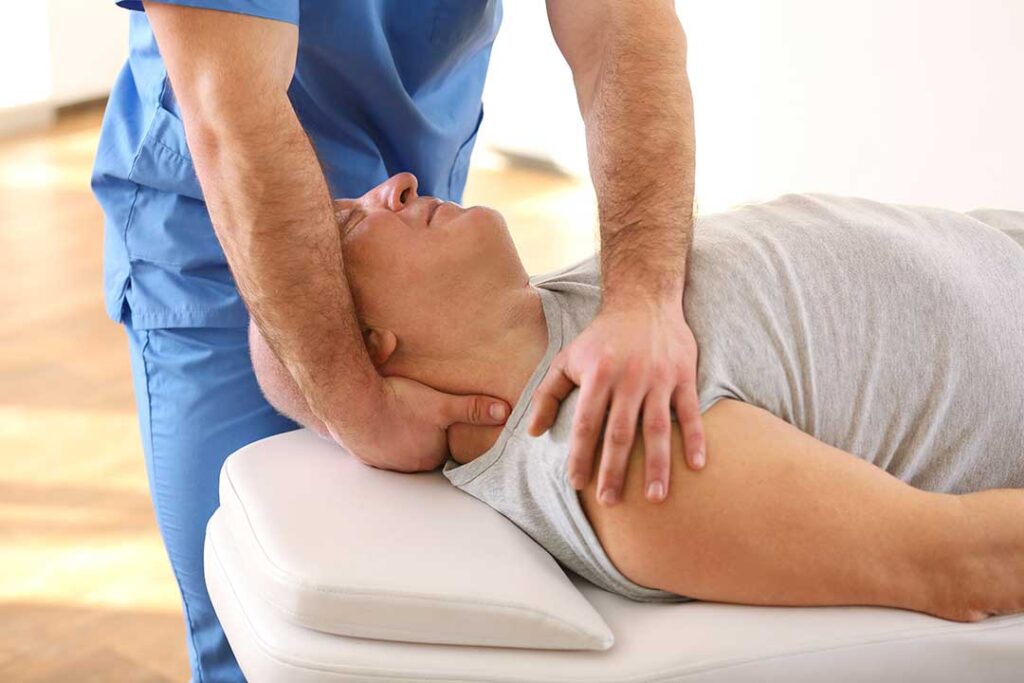
What Causes Tension Headaches for Residents of Camillus, NY?
Tension headaches frequently develop due to tightened muscles in the neck, shoulders, and scalp. In the context of Camillus, NY, household routines like extended computer use, reading, or yardwork—especially during seasonal transitions—can put additional strain on these areas. Fluctuating weather and the shift from heating inside to brisk outdoor air can also contribute to muscle stiffness, making tension headaches more common during colder months.
How Can Stretching Help with Tension Headaches?
Gentle stretching can reduce tightness in muscles linked to tension headaches. By improving blood flow, loosening restricted muscles, and encouraging better posture, stretches can help minimize both the frequency and severity of these headaches. Residents often find relief through simple, consistent stretching routines performed at home, especially when combined with regular breaks from screens or repetitive activities.
What Are Safe Stretches to Try at Home?
Not all stretches are equally helpful—while it’s tempting to start with intense movements, gentle practice is key. The following neck and upper back stretches are safe for most adults with mild to moderate tension headaches. Anyone with severe, persistent, or sudden headaches should consider consulting a healthcare professional for a tailored evaluation.
Neck Side Stretch
This stretch targets the upper trapezius muscles, which often tighten during desk work or reading.
- Sit or stand upright.
- Gently tilt your right ear toward your right shoulder.
- Use your right hand to very lightly add gentle downward pressure, as if lengthening the stretch.
- Hold for 15-30 seconds, feeling a gentle pull along the side of the neck.
- Switch sides and repeat.
Chin Tuck Stretch
Chin tucks restore alignment and reduce forward-head posture common in those using screens or sitting for long periods.
- Sit with your back straight and shoulders relaxed.
- Pull your chin straight back (not down), creating a “double chin” feeling.
- Hold this position for 5 seconds, then relax.
- Repeat 10 times.
Seated Shoulder Blade Squeeze
This exercise helps release tension between the shoulder blades, an area often overlooked in tension headache relief.
- Sit upright with your feet flat on the floor.
- Squeeze your shoulder blades together, keeping shoulders low.
- Hold for five seconds and release.
- Repeat 8-10 times.
Upper Back Stretch
The upper back sometimes contributes to headache tension, especially after shoveling or raking leaves in the city.
- Sit with feet flat on the ground.
- Clasp your hands in front of you and extend your arms forward at shoulder height.
- Gently round your upper back, reaching your hands away from your body while tucking your chin.
- Hold for 20 seconds, focusing on stretching the space between your shoulder blades.

When Is the Best Time to Stretch for Headache Relief?
Stretching before symptoms escalate often provides the most noticeable relief. Many in the community benefit from:
- Morning stretches after waking, particularly during colder seasons when muscles are stiffer.
- Short breaks during work or screen time; aim for 5-10 minutes every hour.
- Light stretching before and after outdoor chores, especially in periods of fluctuating temperature or when returning indoors after exposure to cold air.
Consistency is typically more helpful than intensity—gentle, routine practice reduces baseline muscle tension and can make headaches less frequent over time.
Mistakes and Misconceptions About Stretching for Tension Headaches
It's common to believe that "more is better" or that hard stretching will bring faster results. In practice, aggressive neck rolls or forceful stretches can worsen symptoms or even cause injury. Residents sometimes use heat on the forehead alone, but it's often more effective to apply warmth to the upper back or neck as well before stretching.
Avoid bouncing, twisting, or rapidly pulling the neck. These actions can provoke rather than relieve symptoms. Any stretch should be pain-free and done within a comfortable range of motion.
How Do Daily Activities in Camillus Affect Muscle Tension?
Life in Camillus brings unique seasonal influences that shape movement routines. Snow shoveling, gardening, and seasonal yardwork increase the risk of muscle overuse and tightness in the upper body. During winter, hunching against the cold or spending more time indoors with screens also contributes to poor posture.
Many area households have adopted standing desks or use portable devices, leading to prolonged downward gazing. Remember to stretch periodically, especially when transitioning between housework, screen time, and outdoor activities.
Are There Signs That Suggest Headaches Aren’t Just Tension-Related?
While most headaches caused by muscle tension are mild and improve with self-care, some symptoms suggest a need for further evaluation. Local residents should be alert if headaches come on suddenly and severely, or if they’re accompanied by visual changes, fainting, ongoing nausea, weakness, or confusion. If headaches consistently worsen or interfere with daily activities, seeking guidance from a healthcare provider is the safest option.
Practical Tips for Integrating Stretching into a Camillus Household Routine
Fitting stretches into daily life can be simple. Try pairing a quick neck or back stretch with regular parts of your routine, such as:
- Waiting for the coffee to brew in the morning
- During television commercial breaks or between episodes
- After coming in from outdoor chores like raking, shoveling, or walking pets
Adjust routines to reflect the season—colder months may call for extra warm-up, while spring and fall offer opportunities to stretch outside during fresh air breaks.
