
 See Our Latest Article on HelloNation
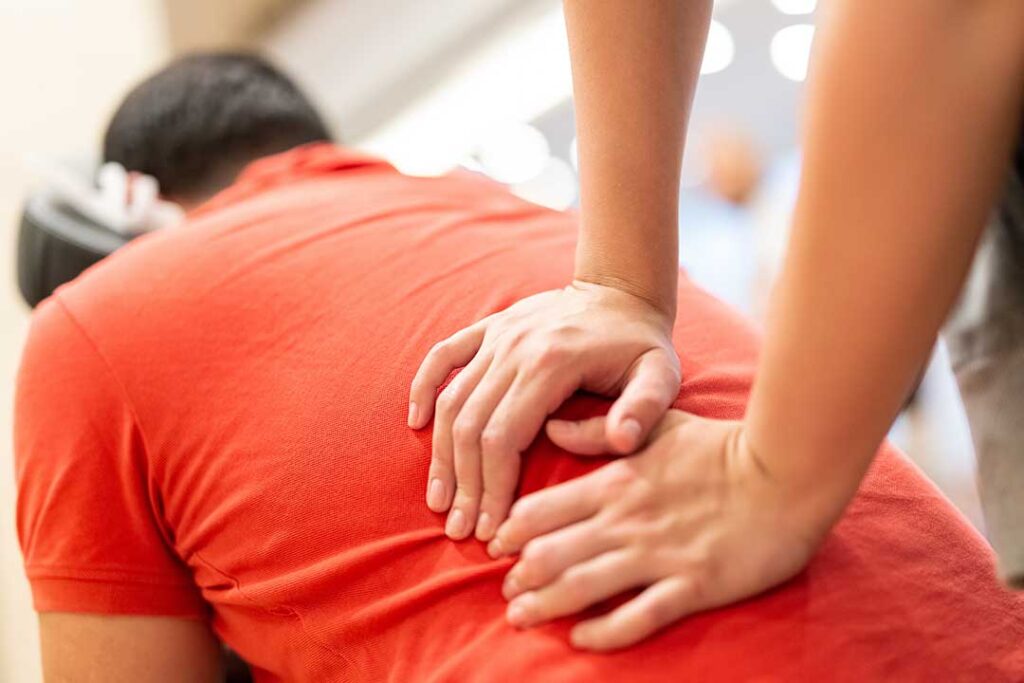
Living in Camillus, NY, means enjoying a small-town atmosphere blended with the conveniences of nearby Syracuse. Despite its scenic parks, tight-knit community, and slower pace, Camillus residents aren’t immune to the daily stresses of modern life. Many people in our area, from busy parents to hardworking professionals and active retirees, experience the toll that stress can take on their bodies—especially their backs. But why does stress so often show up as back pain, and how can people in Camillus manage this connection for better overall health? Let’s explore the vital link between stress and back pain.
What’s the Link Between Stress and Back Pain?
Stress is not only an emotional or mental experience; it manifests physically in the body, frequently as muscle tension. The spine, comprising the neck down to the lower back, is particularly susceptible to stress-induced discomfort. When you’re stressed, your body releases hormones like cortisol, which trigger a fight-or-flight response and prepare your muscles for action. If this stress is chronic, the body doesn’t get a chance to relax, leading to:
- Tightened muscles, especially in the neck, shoulders, and back
- Reduced blood flow and oxygen to the muscles
- Increased inflammation and sensitivity to pain
These physical responses, over time, can result in persistent back pain, muscle spasms, and even mobility issues.
How Does the Camillus Lifestyle Contribute to Stress and Back Pain?
Camillus residents may face unique stressors that contribute to back pain, including:
- Commuting: Many Camillus locals travel to Syracuse or other cities for work. Long commutes can increase both mental stress and physical strain, especially if you’re sitting in traffic or using poor posture.
- Seasonal Activities: Whether shoveling snow in the winter or gardening in the spring and summer, Camillus residents engage in physical activities that can strain the back—especially if performed under stress.
- Family and Community Life: Maintaining older homes, caring for family members, or volunteering in local organizations can be deeply rewarding but also physically and emotionally demanding.
When these lifestyle factors combine with personal or professional pressures, it’s easy to see why so many people in Camillus experience episodes of back pain related to stress.
Common Signs of Stress-Related Back Pain
Recognizing the signs of stress-induced back pain can help Camillus locals intervene before discomfort worsens. Some typical symptoms include:
- Aching or stiffness in the neck, mid-back, or lower back
- Increased pain or tension during stressful events (work deadlines, family commitments)
- Headaches that accompany back pain
- Pain that improves with relaxation or stress reduction techniques
- Insomnia or disturbed sleep due to discomfort
If you notice back pain that fluctuates with your stress levels and tends to resolve when you’re relaxed—perhaps during quiet time in Camillus parks or while enjoying time with family—it’s likely related to stress.
Why Addressing Stress is Essential for Back Health
Ignoring the stress-back pain connection can set the stage for chronic problems. Over time, muscle tension can wear down the spine’s structures, increase joint pressure, and change alignment. Additionally, stress often leads people to adopt unhealthy coping mechanisms—such as inactivity, poor posture, or overeating—which can further harm spinal health.
Addressing stress early helps to:
- Reduce the risk of chronic pain conditions
- Improve posture and muscle function
- Enhance overall quality of life in Camillus
- Support better mood and energy levels
Tips for Managing Stress and Protecting Your Back in Camillus
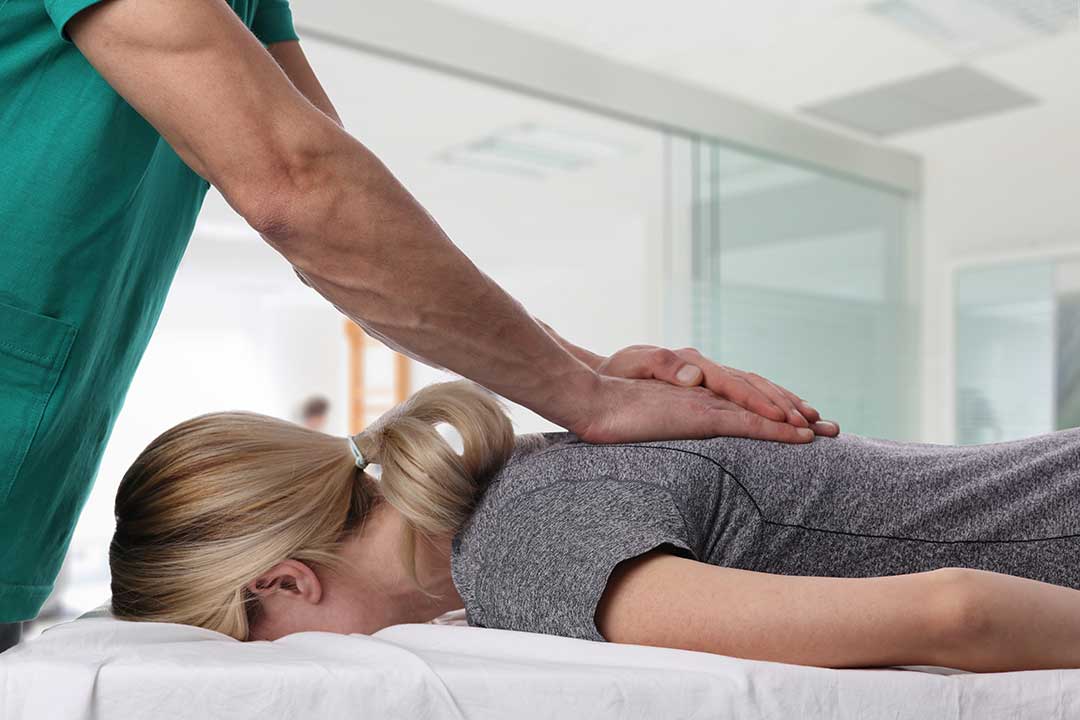
Fortunately, there are several proactive ways Camillus residents can reduce stress and prevent its impact on back health.
1. Prioritize Physical Activity
Regular movement—such as walking in Camillus’s many parks, hiking, or joining a local gym—helps reduce stress hormones and keeps your muscles supple and strong. Activities like yoga or Pilates, sometimes offered at community centers, are particularly beneficial for both stress relief and spinal health.
2. Practice Mindfulness and Relaxation
Mindfulness techniques, such as meditation, deep breathing, or gentle stretching, can help calm the mind and relax the body. Even a few minutes spent practicing these techniques at home or in a quiet spot outdoors can yield significant benefits.
3. Maintain Good Posture
Whether you’re working from home, commuting, or volunteering, paying attention to posture can minimize stress-related back pain. Invest in ergonomic office equipment and take regular breaks to move and stretch.
4. Stay Socially Connected
Camillus’s community events, clubs, and organizations offer ample opportunities to build supportive relationships. Social connections act as a buffer against stress, providing emotional resilience and practical help when life gets overwhelming.
5. Seek Professional Guidance
If your back pain persists or interferes with daily life, consult with a healthcare provider, such as a chiropractor, physical therapist, or primary care doctor. Local experts can help identify the root cause of your pain and suggest tailored strategies to manage stress and promote spinal health.
Local Resources in Camillus for Stress and Back Pain Support
Camillus is home to many wellness resources that can help you manage stress and back pain, including:
- Community fitness classes (often held at the Camillus Senior Center or YMCA)
- Parks and trails for walking, biking, or meditation
- Local support groups focusing on stress management and chronic pain
- Healthcare providers specializing in musculoskeletal health
Taking advantage of these local assets not only supports your back but also connects you to the fabric of the Camillus community.
Takeaway: A Whole-Body Approach for Camillus Residents
The connection between stress and back pain is profound, especially for people balancing work, family, and community life in Camillus, NY. Recognizing and managing this link is key to enjoying the active, fulfilling lifestyle that makes Camillus special. By adopting simple stress-management habits, seeking support, and staying engaged with local resources, you can protect your spine and thrive—no matter what life brings.
If you’re experiencing back pain and suspect stress may be a factor, start with small changes and reach out to local professionals for personalized advice. Your back—and your overall well-being—will thank you.
