
 See Our Latest Article on HelloNation
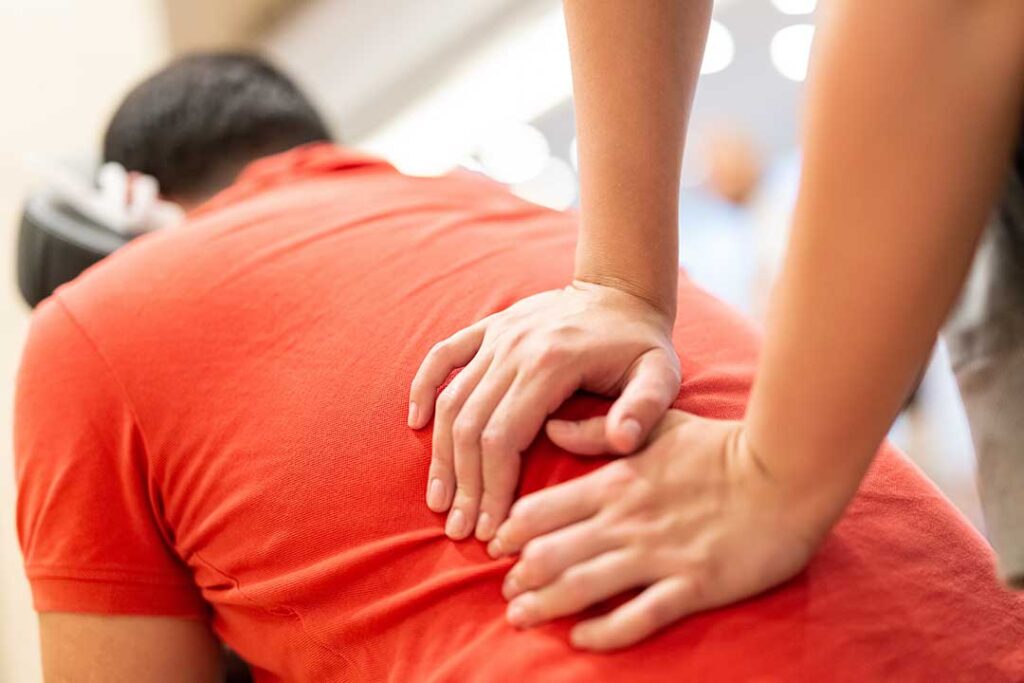
Back strength is not built by aggressive workouts or by holding the spine rigid all day. A healthier approach combines gentle strengthening, regular movement, controlled breathing, and gradual progression. For residents of Camillus, NY, this can be especially useful during long winter periods when outdoor activity decreases or after household tasks such as shoveling, carrying firewood, or clearing wet leaves.
These exercises are intended for general education and are not a diagnosis or individualized treatment plan. Existing injuries, osteoporosis, recent surgery, pregnancy, or persistent leg symptoms may require modified guidance.
Why does back strength matter?
The back works with the abdominal, hip, and leg muscles to support everyday movement. Strengthening these areas can make activities such as standing, walking, lifting laundry baskets, gardening, and getting in and out of a vehicle easier.
Regular exercise may also help reduce the risk of recurring discomfort. Medical guidance generally favors staying reasonably active rather than using prolonged bed rest, while limiting movements that clearly increase pain. ([niams.nih.gov](https://www.niams.nih.gov/health-topics/back-pain/diagnosis-treatment-and-steps-to-take?utm_source=openai))
Back strength does not mean performing heavy deadlifts or advanced gym exercises. For many people, consistent low-load movements performed with good control are a sensible starting point.
What are simple exercises for a stronger back?
Begin with five to ten minutes of easy walking or gentle marching in place. Then choose two or three exercises below. Move slowly, breathe normally, and avoid forcing a stretch.
Abdominal bracing
Abdominal bracing teaches the trunk muscles to support the spine during movement.
1. Lie on your back with your knees bent and feet flat.
2. Imagine gently tightening your abdomen as if preparing for a cough.
3. Keep breathing without pulling your stomach inward forcefully.
4. Hold the gentle contraction for five to ten seconds.
5. Repeat eight to ten times.
The lower back should not be pressed aggressively into the floor. The goal is steady control, not maximum tension.
Glute bridge
The glute bridge strengthens the buttocks and the muscles that help extend the hips. Stronger hips can reduce the amount of work demanded from the lower back during lifting and climbing.
1. Lie on your back with both knees bent.
2. Keep the feet about hip-width apart.
3. Tighten the abdomen gently and press through the feet.
4. Lift the hips until the shoulders, hips, and knees form a comfortable diagonal.
5. Pause for one or two seconds, then lower slowly.
Start with one set of eight repetitions. Stop if the movement causes sharp back pain, cramping, or symptoms traveling down the leg.
Bird-dog
Bird-dog training develops trunk stability while the arms and legs move.
1. Begin on the hands and knees.
2. Keep the neck neutral and the back in a comfortable position.
3. Slowly extend one leg behind you without twisting the pelvis.
4. If steady, extend the opposite arm forward.
5. Hold for three to five seconds, then return to the starting position.
6. Alternate sides for six to eight repetitions each.
A smaller movement is often more useful than reaching too far and arching the back.
Sit-to-stand
This functional exercise strengthens the thighs, hips, and trunk for daily activities.
1. Sit near the front edge of a sturdy chair.
2. Place the feet under the knees.
3. Lean forward slightly from the hips while keeping the back comfortable.
4. Stand without using the hands if possible.
5. Lower back down slowly.
Perform five to ten repetitions. During winter, this movement can be a practical indoor alternative to some outdoor conditioning when sidewalks or driveways are slippery.
Wall-supported hip hinge
Many back strains occur when people bend and lift with the spine rounded. Practicing a hip hinge helps teach the body to share the work with the hips and legs.
1. Stand several inches in front of a wall with your back facing it.
2. Keep the knees slightly bent.
3. Push the hips backward until the buttocks touch the wall.
4. Return to standing by pressing through the feet.
5. Keep the spine comfortably neutral rather than rigid.
Once the motion feels natural, it can help with tasks such as reaching into a lower cabinet or lifting a light basket.
How often should these exercises be performed?
For general conditioning, a short routine two or three days per week is reasonable, with easy walking or other comfortable activity on most days. Begin with one set and add repetitions gradually rather than trying to make up for missed sessions.

The muscles may feel mildly tired, but exercise should not produce escalating pain. If discomfort continues well after the routine, reduce the range of motion, perform fewer repetitions, or choose an easier exercise.
A common misconception is that complete rest protects the back. Long periods of inactivity can make movement feel more difficult and may reduce conditioning. At the same time, pushing through severe pain is not a useful test of toughness. The practical middle ground is gentle, regular movement within tolerable limits. ([niams.nih.gov](https://www.niams.nih.gov/health-topics/back-pain/diagnosis-treatment-and-steps-to-take?utm_source=openai))
What should people do during seasonal chores?
Snow removal, ice management, gardening, and moving outdoor furniture can place sudden demands on the back. Preparation matters more than speed.
- Warm up with several minutes of walking before strenuous chores.
- Break large jobs into shorter sessions.
- Alternate sides when carrying or pushing.
- Keep loads close to the body.
- Bend through the hips and knees instead of rounding repeatedly through the lower back.
- Avoid twisting while holding a heavy object.
- Take movement breaks during long periods of driving, desk work, or sitting indoors.
These habits complement strengthening exercises but do not eliminate the possibility of injury.
When should exercise be stopped?
Stop an exercise if it causes sharp, worsening, or radiating pain; new numbness; unusual weakness; loss of balance; or symptoms that continue to intensify afterward. Seek prompt medical evaluation for back pain accompanied by new bowel or bladder problems, numbness around the groin, significant leg weakness, fever, unexplained weight loss, or pain after a serious fall or accident.
Persistent pain that does not improve over several weeks also deserves medical attention. Exercise selection depends on the cause of the symptoms, and a routine appropriate for ordinary muscle soreness may not be suitable for nerve irritation, fracture, infection, or another underlying condition. ([nhs.uk](https://www.nhs.uk/conditions/back-pain/?utm_source=openai))
How can progress be measured?
Useful signs of progress include standing longer, walking more comfortably, completing household tasks with less fatigue, and recovering more quickly after activity. More repetitions are not the only measure of improvement. Better control, smoother breathing, and greater confidence with ordinary movement are also meaningful.
A simple routine performed consistently is usually more practical than an ambitious program that causes soreness and is abandoned after a week.
