
 See Our Latest Article on HelloNation
What Is a Herniated Disc?
A herniated disc occurs when the soft, gel-like center of a spinal disc pushes through a crack in the tougher outer layer. This displacement can irritate nearby nerves, often resulting in pain, tingling, or numbness in the back, neck, or limbs. Disc problems are most common in the lower back and neck.
Herniated discs can develop gradually due to age-related wear, sometimes called disc degeneration. However, sudden injuries from falls, car accidents, or lifting heavy objects can also cause them. Many area residents first notice symptoms after shoveling snow, gardening, or doing home repairs that involve repetitive bending or twisting.
What Are the Typical Symptoms?
Symptoms vary based on the disc’s location and the pressure on surrounding nerves. For many in the community, discomfort may start mildly and become more intrusive with activity.
Common signs to watch for include:
- Lower back or neck pain that worsens with movement
- Shooting pain that radiates down an arm or leg
- Muscle weakness or a sensation of heaviness in legs or arms
- Numbness, tingling, or a “pins and needles” feeling
Not everyone with a disc issue experiences significant pain; sometimes, there is only minor stiffness or tight muscles. Even subtle symptoms can impact daily routines, particularly during seasonal chores like raking leaves or moving furniture.
How Are Herniated Discs Diagnosed?
Healthcare providers usually rely on a combination of a physical examination and the individual’s medical history to determine the source of symptoms. In some instances, imaging like X-rays or MRIs may be recommended to confirm the diagnosis or rule out other conditions.
Locally, physicians and chiropractic professionals often ask about:
- The timeline of symptom onset and what activities make them worse or better
- Any recent slips, twists, or falls
- Family history of back or neck problems
A clear diagnosis can direct the most practical path to relief and help prevent chronic discomfort or additional complications.
Is Chiropractic Care an Option for Herniated Discs?
For many people in Camillus, non-surgical approaches are preferred before considering more invasive treatments. Chiropractic care is one option some residents include in their recovery plan after discussing it with their primary health provider.
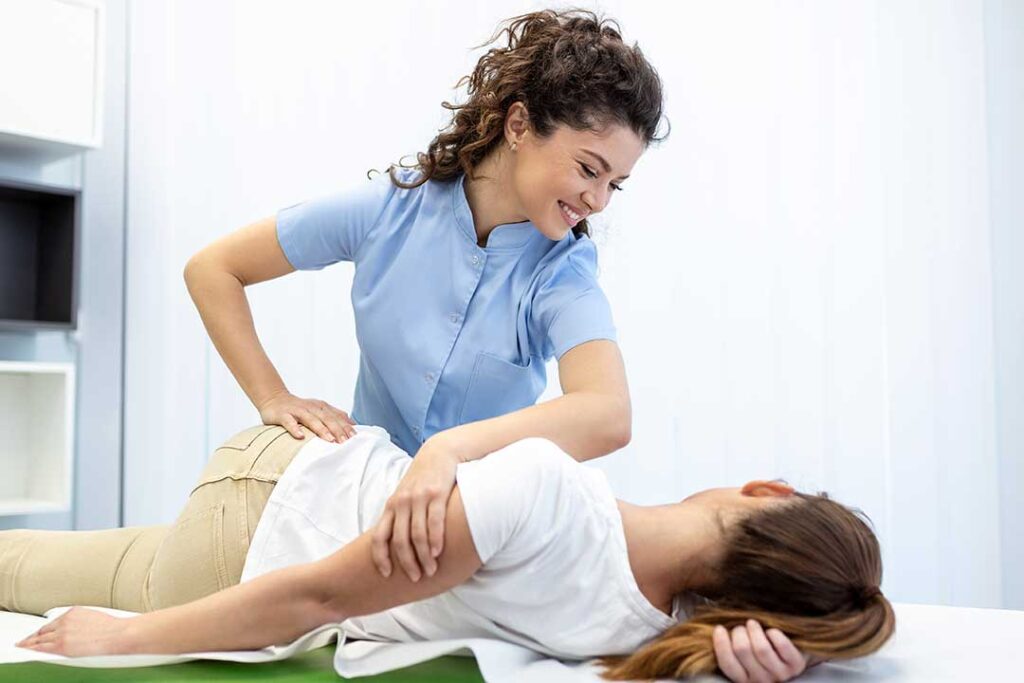
Chiropractic interventions for disc issues typically focus on gentle, controlled spinal adjustments (sometimes called manipulation), as well as supportive measures like therapeutic exercises and ergonomic advice. Treatment aims to improve joint mobility, reduce nerve irritation, and enhance the body’s natural movement patterns.
Care is usually adapted based on:
- The location and severity of the herniation
- Personal activity levels and health history
- Comfort and response to initial techniques
Local chiropractors generally use a cautious, step-by-step approach. Severe cases with nerve involvement may require coordination with medical doctors for tailored oversight.
What Are Common Misunderstandings About Chiropractic Care and Discs?
A frequent misconception is that chiropractic care is unsafe or automatically involves forceful “cracking.” In reality, most providers use specialized methods when addressing herniated discs, which may not resemble traditional spinal adjustments.
Some other misunderstandings include:

- Believing all disc problems need surgery—most cases respond to non-invasive options
- Fearing long-term dependency on care—treatment is commonly short-term with a focus on self-management
- Assuming rest is always best—gradual and informed movement is often key to maintaining spine health
Each person’s situation is unique, and open communication with healthcare providers helps clarify realistic benefits and expectations.
What Can Local Residents Do to Support Recovery at Home?
Changes in daily habits and workspace set-up can help protect the spine, reduce discomfort, and support recovery. Relevant tips for households in Camillus include:
- Take regular breaks when performing repetitive seasonal tasks (like leaf-blowing or snow shoveling)
- Use proper lifting techniques—bend at the knees, not the waist, and keep heavy objects close to the body
- Stay active with gentle activities, such as walking on neighborhood trails or using community fitness centers
- Select supportive shoes for walking or errands to minimize strain on the back
- Maintain hydration and a healthy weight to ease pressure on spinal structures
Pay attention to early warning signs and modify routines to prevent symptoms from returning or worsening.
When Are Additional Medical Evaluations Necessary?
If discomfort is severe, persistent, or accompanied by symptoms such as loss of bladder or bowel control, rapid muscle weakness, or significant balance issues, immediate medical attention is necessary. Rarely, these may indicate a more serious underlying problem.
For day-to-day episodes that don’t improve with self-care, or if symptoms repeatedly interfere with household and work duties, a thorough evaluation can help identify contributing factors and appropriate next steps.
How Do Seasonal and Lifestyle Factors in Camillus Affect Back Health?
In this part of the state, seasonal changes can increase the risk of back injuries. Icy conditions, repetitive shoveling, and heavy winter coats add strain, while autumn yardwork and spring cleaning often mean lifting awkward loads. Local households often report disc-related discomfort after periods of inactivity during colder months, followed by a surge in outdoor tasks.
Adjusting home ergonomics, staying active during winter, and using the right tools for seasonal chores can reduce the chances of flare-ups. Community members benefit from sharing practical strategies and supporting each other’s healthy habits throughout the year.
