
 See Our Latest Article on HelloNation
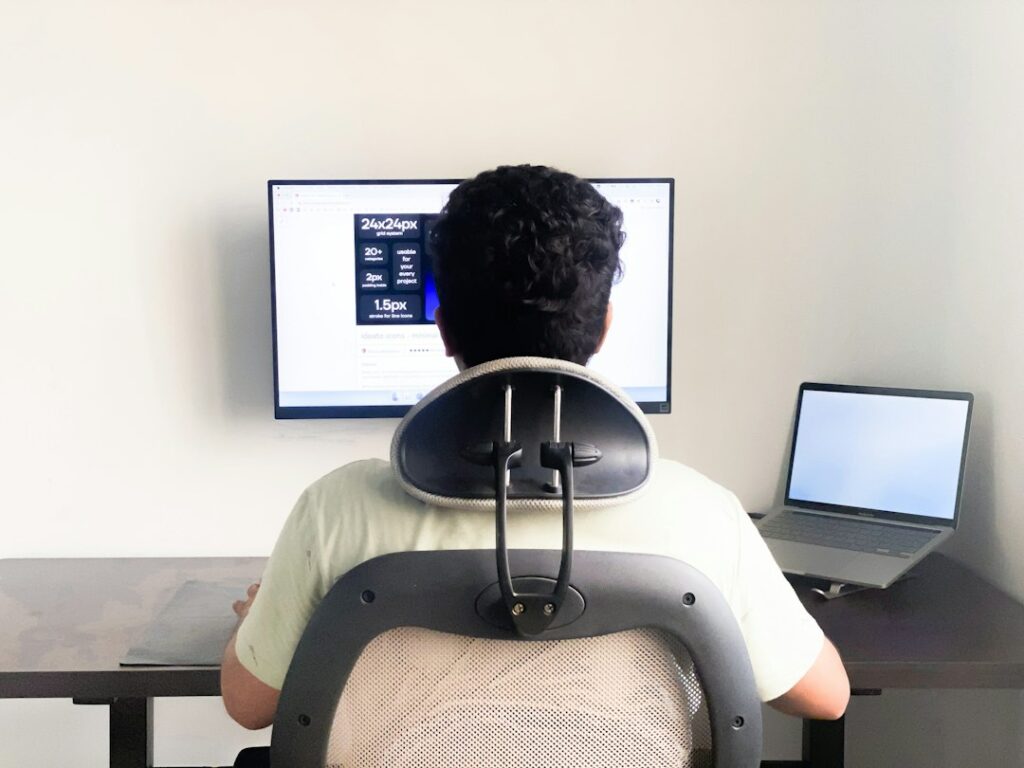
Poor posture is more than looking slouched in a chair. Holding the head, shoulders, spine, or pelvis in an awkward position for long periods can increase strain on muscles and joints, limit comfortable movement, and contribute to recurring neck, back, and shoulder discomfort. For residents of Camillus, NY, posture habits may develop during desk work, commuting, household tasks, winter activities, or extended screen use at home.
Posture is only one factor in health. Pain can also be influenced by injuries, arthritis, sleep, stress, physical conditioning, work demands, and medical conditions. The goal is not to maintain a rigid “perfect” position all day. Healthy posture is better understood as a comfortable, adaptable way of moving and resting.
What does poor posture do to the body?
Poor posture changes how body weight and muscle effort are distributed. For example, leaning toward a screen may cause the head to move forward while the neck and upper-back muscles work continuously to support it. Slumping in a chair can place the pelvis and lower back in a less comfortable position, especially when the same position is held for a long time.
Common effects may include:
- Neck stiffness or soreness
- Tightness across the shoulders and upper back
- Lower-back fatigue or aching
- Headaches associated with muscle tension
- Reduced comfort when walking, lifting, or reaching
- Limited movement in the neck, shoulders, hips, or spine
- Numbness, tingling, or pain if a nerve is irritated
These symptoms do not automatically mean posture is the sole cause. A person may also change posture because pain, weakness, vision problems, or limited mobility is already present.
Can poor posture affect breathing and energy?
A collapsed sitting position can restrict comfortable movement of the ribs and abdomen. This does not usually cause a serious breathing disorder in an otherwise healthy person, but it may make deep breathing feel less natural or make the body feel compressed during prolonged sitting.
Poor posture can also contribute to a sense of fatigue. Muscles that remain active to support an awkward position may become tired, particularly in the neck, shoulders, and lower back. The effort is often subtle, but it can add up over several hours of desk work, driving, studying, gaming, or phone use.
Fatigue may also come from insufficient sleep, stress, dehydration, inactivity, or an underlying health issue. Posture changes are most useful when considered alongside these other factors.
How does screen use contribute to posture problems?
Phones, tablets, and computers often encourage the head and eyes to move forward and downward. The longer a person remains in that position, the more likely the neck and upper-back muscles are to become uncomfortable.
Helpful adjustments include:
- Raise a monitor so the top portion is near eye level.
- Keep frequently used items close enough to avoid repeated reaching.
- Support the lower back without forcing the spine into an exaggerated arch.
- Keep feet supported on the floor or a stable footrest.
- Hold a phone closer to eye level rather than bending the neck for long periods.
- Change position regularly instead of trying to sit perfectly still.
A well-arranged workstation cannot compensate for remaining in one position all day. Movement breaks are a central part of reducing strain.
Is standing always better than sitting?
No. Standing for long periods with the knees locked, weight shifted to one side, or the lower back overextended can also create discomfort. Sitting is not inherently harmful, and standing is not automatically corrective.
The more useful principle is posture variety. Alternating among sitting, standing, walking, and brief stretching allows different tissues to share the workload. During a workday, even a short movement break every 30 to 60 minutes may help interrupt prolonged static positioning.
Residents who work from home may benefit from placing frequently used work materials in a way that encourages occasional walking. Household tasks, such as carrying laundry, shoveling, or clearing seasonal outdoor areas, should also be approached with gradual effort and regular position changes rather than prolonged bending or twisting.
What role do strength and flexibility play?
Posture is affected by more than awareness. Strength, joint mobility, balance, vision, pain sensitivity, and coordination all influence how a person sits, stands, and moves.
Weakness in the trunk, hips, or upper back may make certain positions tiring. Limited movement in the hips, ankles, or upper back may cause other areas to compensate. Tight muscles can contribute to discomfort, but tightness is not always the original cause.
General physical activity can support posture by improving endurance and movement confidence. Useful options may include walking, swimming, resistance exercises, mobility work, and activities that are appropriate for a person’s age and current condition. Exercises should be introduced gradually, especially after an injury or a long period of inactivity.
Does poor posture cause chronic pain?
Poor posture may contribute to discomfort, but it does not explain every case of chronic pain. Research on posture and pain is more complex than the idea that one “bad” position directly damages the spine. Many people with visible slouching have no pain, while people with pain may not have an obvious posture problem.
Pain can result from several interacting factors, including:
- Repetitive tasks
- Heavy lifting or awkward loads
- Sudden injury
- Reduced conditioning
- Sleep disruption
- Stress and muscle tension
- Joint or disc conditions
- Nerve irritation
- Inflammatory or other medical disorders

This is why forcing the body into a rigid posture may not help. Comfortable movement, gradual strengthening, and attention to task demands are generally more practical than constantly policing spinal alignment.
When should posture-related symptoms be evaluated?
Mild stiffness that improves with movement or rest is often manageable with changes in daily habits. However, medical evaluation is appropriate for symptoms that are severe, persistent, worsening, or interfering with normal activities.
Prompt attention is especially important for back or neck pain accompanied by:
- New weakness in an arm or leg
- Loss of balance or difficulty walking
- Numbness that is spreading or persistent
- Loss of bladder or bowel control
- Fever, unexplained weight loss, or unusual illness
- Pain following a significant fall or collision
- Chest pain, shortness of breath, or other emergency symptoms
A clinician can help determine whether the problem involves posture, muscles, joints, nerves, or another condition. Chiropractic care may be one part of musculoskeletal care for some people, but persistent or unexplained symptoms may require assessment by a medical doctor, physical therapist, or other qualified health professional.
A practical daily posture check
Rather than trying to hold one ideal position, check whether the body feels supported and whether movement is available. Ask:
- Are the shoulders relaxed rather than lifted toward the ears?
- Is the head balanced over the torso instead of reaching forward?
- Are both feet supported when sitting?
- Can the position be changed without difficulty?
- Have several hours passed without standing or walking?
- Is discomfort improving with movement, or steadily worsening?
The most sustainable approach is usually a combination of better workspace setup, regular movement, appropriate physical conditioning, and attention to symptoms. Good posture is not a rigid pose; it is the ability to use the body comfortably across the many activities of daily life.
