
 See Our Latest Article on HelloNation
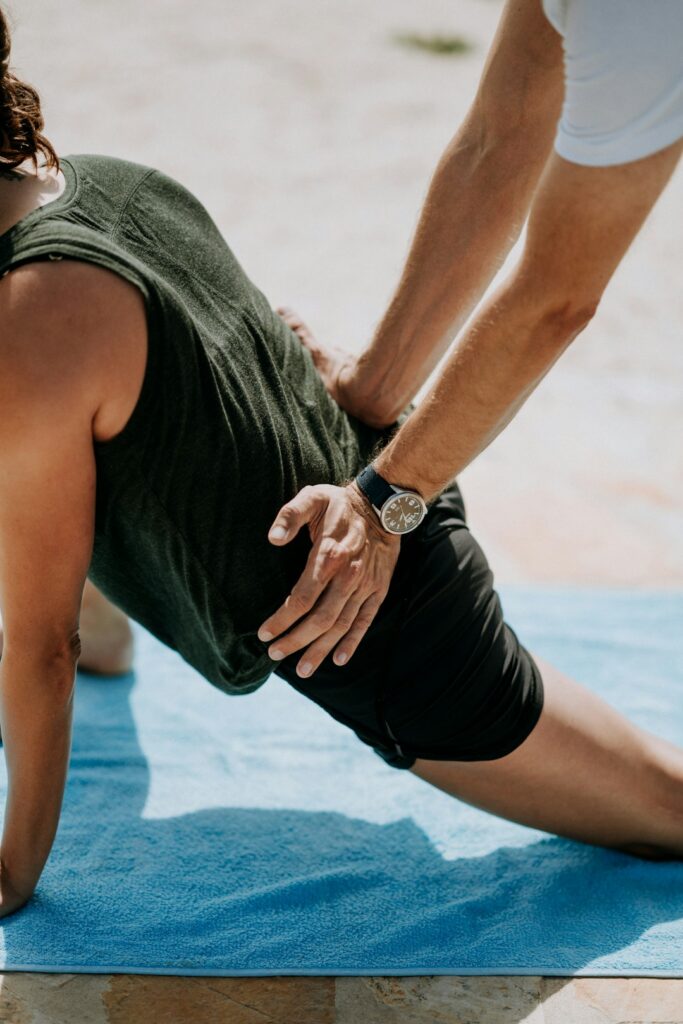
What role can chiropractic care play after a sports injury?
Chiropractic care may help some people manage sports-related back, neck, joint, and muscle problems by addressing pain, movement limitations, and the way the body handles physical load. It is generally most useful as one part of a broader recovery plan rather than as a replacement for emergency care, medical evaluation, or structured rehabilitation.
Sports injuries range from mild muscle soreness to ligament tears, fractures, dislocations, and head injuries. Chiropractic care is most appropriate for selected musculoskeletal problems after a careful assessment has ruled out conditions requiring urgent medical treatment.
For residents of Camillus, seasonal changes can influence activity patterns. Outdoor running, cycling, field sports, hiking, and recreational leagues may increase during warmer months, while indoor training, snow and ice activities, and shoveling-related strains can create different physical demands during winter. A sudden increase in activity after time away is a common contributor to injury.
Which sports injuries may respond to chiropractic treatment?
Chiropractic care may be considered for certain uncomplicated injuries involving the muscles, joints, and spine. Examples include:
- Low-back pain after lifting, twisting, jumping, or repetitive training
- Neck stiffness after contact or awkward movement
- Mild shoulder or upper-back movement restrictions
- Muscle strains involving the hamstrings, calves, hip flexors, or back
- Joint stiffness after an ankle, knee, wrist, or shoulder injury has been evaluated
- Some overuse-related problems linked to restricted movement or uneven loading
- Persistent soreness that affects movement after the initial injury has settled
A sprain affects a ligament, while a strain affects a muscle or tendon. Both may cause pain, swelling, bruising, weakness, and difficulty moving. Chiropractic care does not repair a completely torn ligament or replace treatment for a fracture, dislocation, severe tendon injury, or significant nerve damage.
The most appropriate treatment depends on the tissue involved, the severity of the injury, the person’s age and health history, and the demands of the sport.
How might treatment help movement and recovery?
The goal is not simply to “put something back in place.” A careful evaluation looks at how the injured area moves, how nearby joints contribute to the problem, and whether strength, balance, coordination, or training habits may be increasing stress.
Treatment may include gentle joint mobilization, soft-tissue techniques, stretching guidance, movement retraining, and exercises that gradually restore strength and control. Spinal manipulation may be used in selected cases, particularly for certain types of mechanical back pain, but it is not appropriate for everyone.
Possible benefits include:
- Improving limited joint motion
- Reducing protective muscle tightness
- Helping a person move with less pain
- Identifying compensations, such as limping or shifting weight away from an injured side
- Supporting a gradual return to normal activity
- Providing exercises for mobility, balance, and strength
Temporary soreness, stiffness, or increased discomfort can occur after manual treatment. A complete health history matters because some medical conditions, medications, bone problems, neurological symptoms, and recent trauma can change whether a technique is safe.
Can chiropractic care speed up return to sports?
It may support recovery, but it cannot guarantee a faster return. Returning too soon is one of the most common reasons an injury becomes persistent or recurs.
An athlete should be able to perform sport-specific movements without significant pain, limping, hesitation, or obvious compensation. Depending on the injury, readiness may involve the ability to:
- Walk, jog, or change direction normally
- Use the injured joint through an appropriate range of motion
- Perform single-leg balance or landing tasks
- Demonstrate strength close to the uninjured side
- Complete practice movements without increasing symptoms afterward
- Tolerate gradual increases in intensity, duration, and frequency
A recreational athlete returning to weekend basketball may need a different progression than someone preparing for repeated sprinting, throwing, tackling, or long-distance running. Recovery should match the actual demands of the activity rather than stopping as soon as ordinary walking feels comfortable.
What should someone do during the first day or two?
Early care depends on the injury, but protecting the area from painful activity is usually sensible. Rest does not always mean complete inactivity. Gentle, comfortable movement may help prevent stiffness, while strenuous exercise, aggressive stretching, and repeated testing of the injury can worsen irritation.

For a new sprain or strain, common early measures may include:
- Relative rest from activities that increase pain
- Cold therapy for short periods with a cloth barrier
- Light compression when appropriate
- Elevating a swollen limb
- Gradual return to comfortable movement
- Avoiding alcohol, heat, or intense massage immediately after some acute injuries if swelling is increasing
Over-the-counter pain medicines are not suitable for everyone. People with kidney disease, stomach ulcers, bleeding risks, medication interactions, pregnancy, or other health concerns should ask a qualified medical professional before using them.
When is chiropractic care not the right first step?
Urgent medical evaluation is needed for possible fracture, dislocation, severe swelling, major bruising, inability to bear weight, visible deformity, or severe pain after a collision or fall. Immediate evaluation is also appropriate for new weakness, numbness, loss of coordination, loss of bladder or bowel control, or pain that travels with significant neurological symptoms.
A head, neck, or spine injury deserves particular caution. Confusion, fainting, repeated vomiting, worsening headache, unusual drowsiness, seizure, unequal pupils, or trouble speaking can indicate a serious emergency. A person with these symptoms should not return to play or rely on manual treatment alone.
Chest pain, shortness of breath, unexplained calf swelling, fever, or a hot and increasingly red injured area also require medical attention.
How can athletes reduce the chance of reinjury?
Prevention is usually more effective when it addresses workload, technique, recovery, and physical preparation together. Problems often develop after a sudden change, such as beginning a running program too quickly, joining a league after months of inactivity, or continuing through pain that changes normal movement.
Helpful habits include:
- Increasing training volume gradually
- Warming up with active movements rather than relying only on static stretching
- Strengthening the hips, legs, trunk, shoulders, or other areas required by the sport
- Practicing balance and landing control
- Using properly fitted protective equipment
- Replacing rest with light movement when complete inactivity is no longer necessary
- Scheduling recovery between demanding sessions
- Taking persistent pain seriously instead of repeatedly masking it
In a community where winter conditions can make walking surfaces slippery, balance training and appropriate footwear may also matter for people who remain active outdoors. Indoor workouts should be increased gradually as well, especially after a seasonal break.
Chiropractic care can be a reasonable component of sports injury management when the problem is musculoskeletal, the person has been properly assessed, and treatment is combined with progressive exercise and activity modification. The central aim is not merely short-term pain relief. It is restoring comfortable movement, rebuilding capacity, and helping the athlete return to normal activity without hiding signs of an injury that still needs medical care.
